
How to Identify Chip Damage in Your Auto Glass
- straightcashautogl
- Feb 5
- 4 min read
Auto glass is a crucial component of your vehicle, providing safety and visibility. However, it is also susceptible to damage from various sources, including road debris, weather conditions, and accidents. One common type of damage is chip damage, which can compromise the integrity of your windshield and other glass surfaces. In this blog post, we will explore how to identify chip damage in your auto glass, the potential risks it poses, and what steps you can take to address it.

Understanding Chip Damage
Chip damage refers to small breaks or indentations in the glass surface, often caused by flying debris such as rocks or gravel. These chips can vary in size and shape, and while they may seem minor, they can lead to more significant issues if not addressed promptly.
Types of Chip Damage
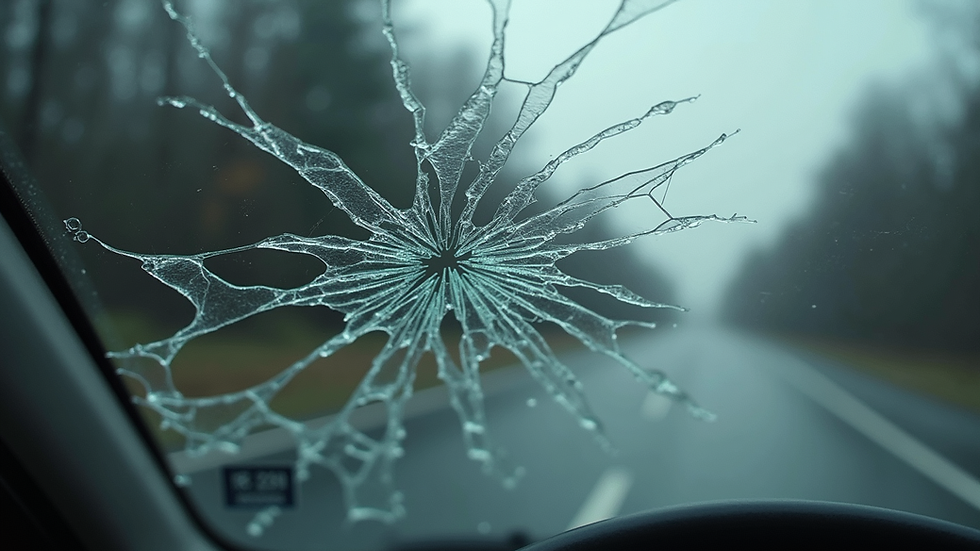
Star Chips: These chips resemble a starburst pattern and typically occur when a small object strikes the glass at high speed.
Bullseye Chips: Characterized by a circular shape with a dark center, bullseye chips are often caused by larger debris.
Edge Chips: These occur at the edges of the glass and can be particularly problematic, as they may weaken the structural integrity of the windshield.
Combination Chips: These chips exhibit characteristics of more than one type, making them more complex to repair.
Why Identifying Chip Damage is Important
Identifying chip damage early is crucial for several reasons:
Safety: Chips can obstruct your view while driving, increasing the risk of accidents.
Cost: Ignoring a small chip can lead to a larger crack, which may require a full windshield replacement, costing significantly more.
Legal Compliance: In some regions, driving with a damaged windshield can result in fines or penalties.
How to Identify Chip Damage
Identifying chip damage in your auto glass involves a few simple steps. Here’s how you can do it effectively:
Visual Inspection
Start with a thorough visual inspection of your windshield and other glass surfaces. Look for:
Cracks or Chips: Check for any visible cracks or chips, especially after driving on gravel roads or during inclement weather.
Reflections: Sometimes, chips can be difficult to see directly. Look for reflections or distortions in the glass that may indicate damage.
Dirt Accumulation: Chips can collect dirt and debris, making them more noticeable. If you see dirt in a small indentation, it may be a chip.
Touch Test
Gently run your fingers over the surface of the glass. If you feel any irregularities or bumps, it could indicate chip damage. Be cautious, as some chips may be sharp.
Light Test
Using a flashlight can help you identify chips that are not easily visible. Shine the light at different angles across the glass surface. This can highlight any imperfections or cracks.
Professional Assessment
If you suspect chip damage but are unsure, consider seeking a professional assessment. Auto glass specialists have the tools and expertise to identify and evaluate damage accurately.
Risks Associated with Chip Damage
Ignoring chip damage can lead to several risks, including:
Increased Risk of Cracking: A small chip can quickly develop into a larger crack, especially with temperature changes or pressure.
Compromised Structural Integrity: Chips can weaken the windshield, making it less effective in protecting you during an accident.
Reduced Visibility: Chips can obstruct your view, especially when sunlight hits them at certain angles, increasing the likelihood of accidents.
Repairing Chip Damage
If you identify chip damage, it’s essential to address it promptly. Here are some options for repair:
DIY Repair Kits
Many auto parts stores offer DIY repair kits for small chips. These kits typically include resin that you can inject into the chip to seal it. Follow the instructions carefully for the best results.
Professional Repair
For larger chips or those that are in critical areas, it’s best to seek professional help. Auto glass repair technicians can assess the damage and determine whether it can be repaired or if a replacement is necessary.
Replacement
In cases where the chip is too large or located in a critical area, such as directly in the driver’s line of sight, a full windshield replacement may be required. While this option is more expensive, it ensures your safety and the integrity of your vehicle.
Preventing Chip Damage
While you can’t completely eliminate the risk of chip damage, there are steps you can take to minimize it:
Maintain a Safe Distance: Keep a safe distance from vehicles, especially trucks that may kick up debris.
Avoid Gravel Roads: If possible, avoid driving on gravel or poorly maintained roads.
Use a Windshield Protector: Consider using a windshield protector when parked to shield against falling debris.
Conclusion
Identifying chip damage in your auto glass is essential for maintaining safety and preventing costly repairs. By conducting regular inspections and addressing any damage promptly, you can ensure your vehicle remains in top condition. Remember, if you’re ever in doubt about the severity of a chip, it’s always best to consult with a professional. Taking these proactive steps will help you enjoy a safer driving experience.
Stay vigilant, and don’t let small chips turn into big problems!

Comments