
Understanding Windshield Replacement: What You Need to Know
- straightcashautogl
- Feb 5
- 4 min read
When it comes to vehicle maintenance, many drivers overlook the importance of a properly functioning windshield. A damaged windshield not only obstructs your view but can also compromise the structural integrity of your vehicle. Understanding the ins and outs of windshield replacement is crucial for every car owner. This guide will walk you through everything you need to know about windshield replacement, from recognizing the signs of damage to the replacement process itself.
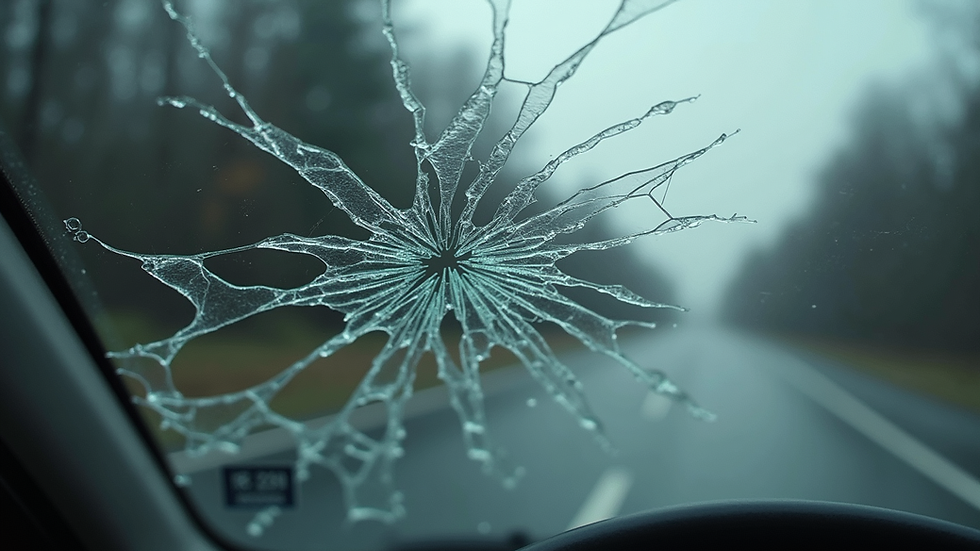
Recognizing the Signs of Windshield Damage
Before diving into the replacement process, it's essential to know when your windshield needs attention. Here are some common signs of damage:
Cracks and Chips: Small chips can often be repaired, but larger cracks may require a full replacement. If a crack is longer than three inches, it’s usually time for a replacement.
Distortion: If you notice that your view is distorted, it may be due to a damaged windshield. This can be dangerous while driving.
Water Leaks: If you find water leaking into your vehicle during rain, it could indicate that your windshield seal is compromised.
Visible Damage: Any visible damage, especially in your line of sight, should be addressed immediately.
The Importance of Timely Replacement
Delaying windshield replacement can lead to several issues:
Safety Risks: A damaged windshield can impair your vision and increase the risk of accidents.
Legal Issues: Driving with a damaged windshield can result in fines, depending on local laws.
Increased Repair Costs: What starts as a small chip can turn into a larger crack, leading to more expensive repairs.
The Windshield Replacement Process
Understanding the replacement process can help you feel more comfortable when the time comes. Here’s a step-by-step breakdown:
1. Assessment of Damage
A professional technician will assess the damage to determine whether a repair or replacement is necessary. They will consider factors such as the size and location of the damage.
2. Choosing the Right Windshield
If replacement is necessary, you’ll need to choose the right windshield. Options include:
OEM (Original Equipment Manufacturer): These windshields are made by the same manufacturer as your vehicle and are often more expensive.
Aftermarket: These are produced by third-party manufacturers and can be more affordable, but quality may vary.
3. Removal of the Old Windshield
The technician will carefully remove the damaged windshield using specialized tools. This process requires precision to avoid damaging the surrounding frame.
4. Preparing the Frame
Once the old windshield is removed, the frame will be cleaned and prepped for the new windshield. This step is crucial for ensuring a proper seal.
5. Installing the New Windshield
The new windshield will be placed into the frame using a strong adhesive. Technicians will ensure it is aligned correctly for optimal visibility.
6. Curing Time
After installation, the adhesive needs time to cure. This can take several hours, so it’s essential to follow the technician’s recommendations regarding when it’s safe to drive the vehicle.
DIY vs. Professional Replacement
While some may consider a DIY approach to windshield replacement, it’s generally not recommended. Here’s why:
Safety Concerns: Improper installation can lead to leaks or even the windshield detaching while driving.
Warranty Issues: Many manufacturers require professional installation to maintain warranty coverage.
Time and Tools: Professional technicians have the right tools and experience to complete the job efficiently.
Cost of Windshield Replacement
The cost of windshield replacement can vary widely based on several factors:
Type of Vehicle: Luxury or specialty vehicles may have higher replacement costs.
Location: Prices can vary by region and local labor costs.
Type of Glass: OEM windshields are typically more expensive than aftermarket options.
On average, you can expect to pay anywhere from $200 to $1,000 for a windshield replacement. It’s advisable to get quotes from multiple providers to find the best price.
Insurance and Windshield Replacement
Many insurance policies cover windshield replacement, but the specifics can vary. Here are some key points to consider:
Comprehensive Coverage: If you have comprehensive coverage, your insurance may cover the cost of replacement.
Deductibles: Check your deductible; if it’s higher than the replacement cost, you may want to pay out of pocket.
Claim Process: Contact your insurance provider to understand the claim process and what documentation you’ll need.
Maintaining Your New Windshield
Once you have a new windshield, proper maintenance is essential to prolong its life. Here are some tips:
Avoid Sudden Temperature Changes: Extreme temperature changes can cause the glass to crack. Avoid using hot water to defrost your windshield.
Use Proper Cleaning Products: Use a soft cloth and non-abrasive cleaners to avoid scratching the glass.
Regular Inspections: Periodically check for any signs of damage or wear.
Conclusion
Understanding windshield replacement is vital for every vehicle owner. By recognizing the signs of damage, knowing the replacement process, and maintaining your new windshield, you can ensure your safety on the road. If you notice any issues with your windshield, don’t hesitate to seek professional help. Remember, a clear view is essential for safe driving.
Take the next step: inspect your windshield today and address any damage promptly to keep yourself and others safe on the road.


Comments